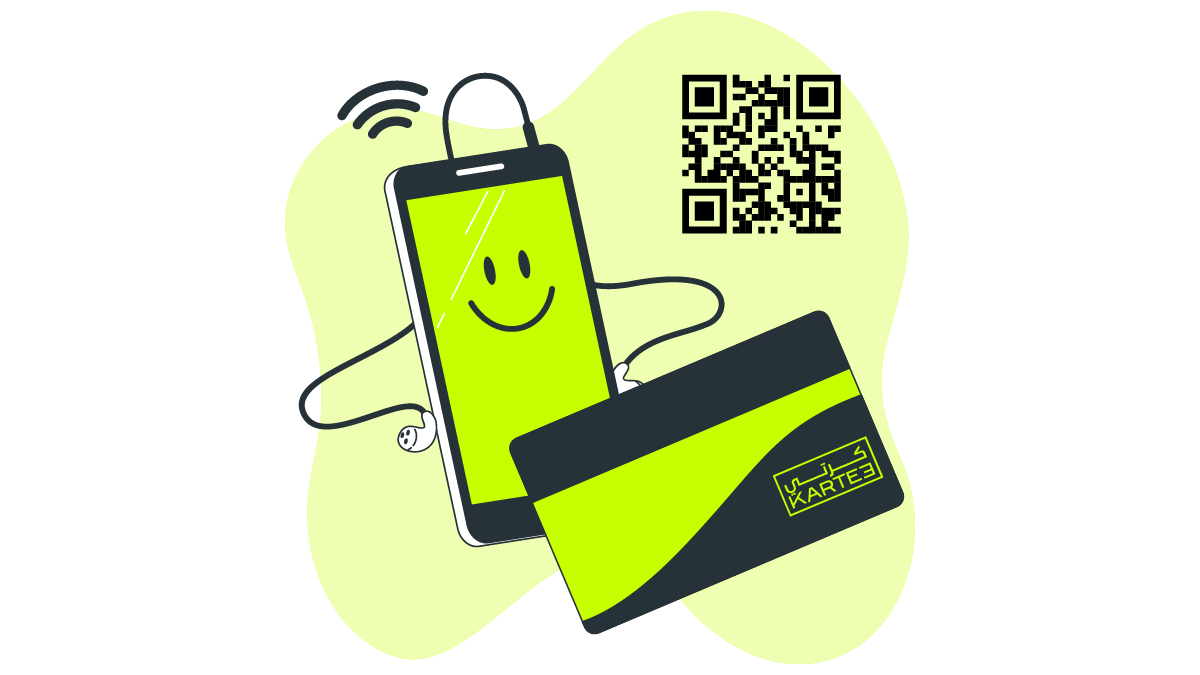

An NFC business card uses a tap to share your contact details. When tapped against a smartphone, a link to your digital profile opens directly in the phone’s web browser. Recipients do not need to install a special app.
This profile is a web page you control. It holds more than a phone number and email; you can add websites, portfolios, videos, and social media links. Most profiles feature a “Save Contact” button, allowing new contacts to add you to their phone’s address book in one step.
This process eliminates the manual data entry required by paper cards, which are often misplaced. The NFC card creates a direct digital connection from a physical meeting.
Enhance Professional Networking
The Power of NFC Business Cards
An NFC business card contains a small chip that wirelessly sends information to a compatible device, like a smartphone. When you tap the card on someone’s phone, your contact details transfer directly to their device.
This process eliminates manual data entry. It ensures the saved contact information is accurate and avoids typos. The transfer is instant, requiring no special apps on the recipient’s phone.
Stand Out with Digital Identity
Paper business cards have limited space. An NFC card links to a digital profile, which holds extensive information. You can include links to your website, social media accounts, or a portfolio of your work.
This provides new contacts with a complete view of your professional background. It also signals your organization’s adoption of current technology.
Build Meaningful Connections
Exchanging contact information is the first step. NFC cards ensure data accuracy from the start, simplifying follow-up. Because the card links to a digital profile, you can update your information at any time. Anyone who saved your profile link can access your current details.
The Power of NFC Technology
NFC, or Near Field Communication, is a short-range wireless technology for exchanging data between two devices. It works when devices are brought within a few centimeters of each other, a key part of its design.
For a business card, an embedded NFC chip stores a small piece of data, usually a URL linking to a digital profile. When you tap the card against a compatible smartphone, the phone’s built-in reader detects the chip. It then automatically opens that URL in a web browser.
The recipient does not need to install a special app to receive your information. This function is native to modern iPhones and Android devices, removing a common barrier to sharing contacts.
The short transmission range is an inherent security feature. It makes unauthorized interception of the signal practically impossible without obvious physical contact. The data transfer itself is also encrypted, protecting the information as it is shared.
Because the card simply points to a web link, your contact information is not permanently stored on the physical card. You can update your phone number, title, or company details on your online profile anytime. The same card will immediately begin sharing the new information on its next tap, eliminating the cost and waste of reprinting paper cards.
Differentiate Your Professional Presence
An NFC business card provides more functionality than a paper card. It uses a built-in chip to direct a recipient’s phone to a web page, turning a physical object into a gateway for digital content. No app is required on the recipient’s phone.
Share information that would not fit on paper. The linked page can include your contact details, social media profiles, a portfolio, or a video message. Your card becomes a starting point for a connection, not just a static record of contact information.
Using an NFC card demonstrates familiarity with current technology. Because the card is reusable and its linked profile can be updated instantly online, it also reduces the waste and cost associated with reprinting paper cards.
More Than Contact Information
-
Deliver a modern, digital-first experience.
-
Highlight your brand’s innovation and vision.
-
Showcase your commitment to sustainability.
-
Strengthen brand perception with sleek design.
-
Empower interactive features.
-
Reduce printing costs and waste.
-
Position your company as a tech-forward leader.
Convenient and Sustainable Solutions
NFC business cards provide a direct way to exchange contact information. They replace the need for paper cards and manual data entry.
Effortless Contact Exchange
Tap an NFC business card on a smartphone to instantly share your contact details. The card contains a small NFC chip that transfers information to any modern, NFC-enabled phone or tablet. The recipient does not need a special app to receive the information. This process eliminates fumbling with pens or manually typing a name and number.
Environmentally Friendly Alternative
A single NFC card can be used thousands of times, replacing stacks of paper cards. Because the information is digital, you can update your phone number or title without reprinting anything. This reduces both paper waste and the recurring costs of design and printing.
Benefits of Digital Business Cards
-
Instantly share contact info with a tap or scan.
-
Update details anytime without reprinting.
-
Reduce costs on design, print, and delivery.
-
Paperless and reduces waste.
-
Offers an interactive alternative to static cards.
-
Track engagement and usage through analytics.
-
Can be added to Apple or Google Wallet.
Drawbacks of Paper Business Cards
-
Easily lost, damaged, or forgotten.
-
Requires manual data entry into a phone’s contacts.
-
Static information that cannot be updated after printing.
-
Generates waste and ongoing print costs.
-
Limited space for information and links.
-
No way to measure distribution or effectiveness.
-
Can appear outdated.
Personalization and Branding Opportunities
An NFC card connects a physical object to a digital profile. While a paper card is static, an NFC card can direct a contact to a full portfolio, videos, or detailed case studies. This allows for a more interactive and detailed introduction to your work than what can be printed on paper.
Physical Card and Digital Profile
A real estate agent can create one digital profile for open house visitors and another for commercial developers, all linked from the same physical card. The card itself can be made from materials like wood, metal, or recycled plastic to reflect a brand’s identity.
The linked digital content is also customizable. You can tailor the landing page with specific case studies or contact forms depending on the event or audience you expect to meet.
Networking Analytics
Interactions with your NFC card can be tracked. An analytics dashboard shows which links on your profile are clicked most often and how many people view your page.
Analytics track which links on your profile get the most clicks. If a specific case study is popular, that message is effective. This data shows what contacts find interesting, allowing you to adjust your networking strategy accordingly.
Tap to Share and Update
Tap the NFC card on a smartphone to transfer your contact details. The recipient receives your information without typing, which avoids errors.
If your phone number or job title changes, you update your online profile once. Every card you have distributed will then point to the new information, eliminating the need to reprint cards. The NFC tap can also trigger specific actions, such as opening a website, launching a social media profile, or downloading a PDF portfolio.
Question-answer:
What are NFC business cards? An NFC business card has a small, unpowered chip inside. When held near a compatible smartphone, the chip wirelessly transmits data. This data is usually a web link to your digital contact profile. The card looks like a traditional business card but connects a physical object to your online information.
How do NFC business cards work? The cards use Near Field Communication (NFC), the same technology behind contactless payments. You tap the card on a smartphone. The phone’s NFC reader briefly powers the card’s chip and reads its stored link. A notification appears on the phone’s screen. Tapping it opens your contact profile in their web browser. The recipient does not need a special app.
What are the benefits of using NFC business cards? Contact sharing is fast and removes the risk of typos from manual entry. A tap saves your details directly to the other person’s phone. The card links to a digital profile that can contain websites, social media accounts, and portfolios - not just a phone number. Since the online profile can be updated anytime, you do not need to reprint cards if your details change.